What Is Xanthan Gum?
If you’ve started baking gluten-free, chances are you’ve come across the ingredient xanthan gum. But what exactly is it?
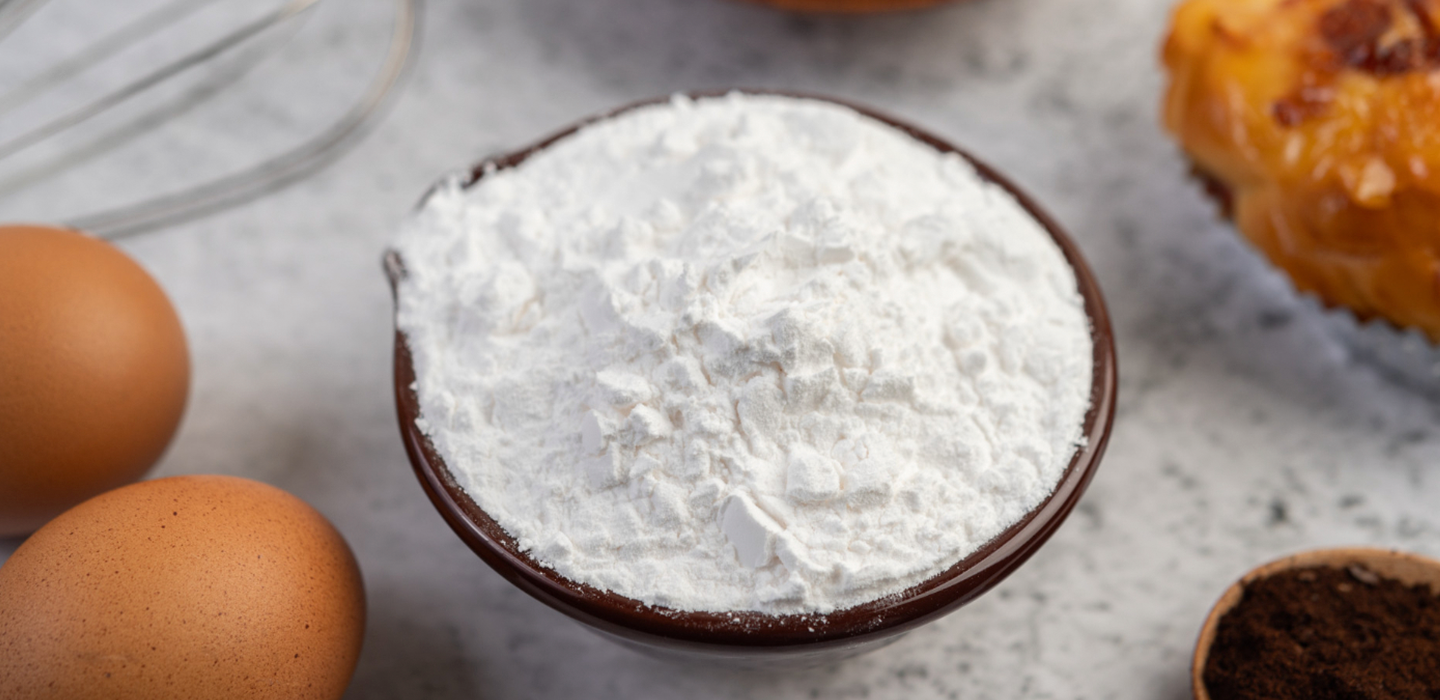
Xanthan gum is a natural food additive commonly used to thicken, bind, and stabilize recipes — especially in gluten-free and dairy-free cooking. It helps give baked goods the texture and structure that gluten would normally provide.
How Is Xanthan Gum Made?
Xanthan gum is produced by fermenting simple sugars (usually from corn, soy, or wheat) with a specific type of bacteria called Xanthomonas campestris. After fermentation, the mixture is dried into a fine white powder — that’s the xanthan gum we use in recipes.
Even though it comes from a scientific process, it’s considered safe and widely used in both home kitchens and commercial foods.
Why Is Xanthan Gum Used in Gluten-Free Baking?
When you remove gluten from a recipe, you also lose the protein that gives dough its stretchiness, structure, and bounce. Xanthan gum fills that role.
What xanthan gum does:
- Helps bind ingredients together
- Prevents baked goods from being crumbly or dry
- Adds elasticity to doughs and batters
- Improves texture in breads, cakes, muffins, and cookies
Without it, many gluten-free recipes would fall apart — literally!
Is Xanthan Gum Safe and Allergy-Friendly?
- Xanthan gum is naturally gluten-free
- It’s vegan and dairy-free
- Most people tolerate it well, even in small daily amounts
However:
If you have severe allergies to corn, soy, or wheat, check the source of the xanthan gum, as trace allergens might be present. Some brands are certified allergen-free — always read the label carefully.
A few people may experience mild digestive discomfort if they consume large quantities.
How Much Xanthan Gum Should You Use?
In gluten-free baking, a little goes a long way.
General guidelines:
- Cookies: 1/4 teaspoon per cup of flour
- Cakes and muffins: 1/2 teaspoon per cup of flour
- Breads and pizza dough: 1 teaspoon per cup of flour
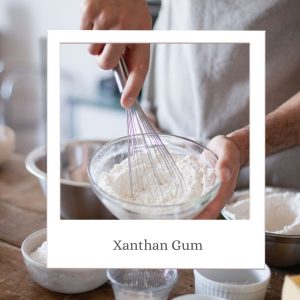
Always mix it with the dry ingredients to avoid clumping.
Best Substitutes for Xanthan Gum
If you’re avoiding xanthan gum, you can still bake successfully! Here are some natural, allergy-friendly alternatives:
- Psyllium Husk
- Excellent for gluten-free breads
- Adds structure and flexibility
- Use 1 tablespoon for every teaspoon of xanthan gum
- Chia Seeds or Ground Flaxseeds
- When soaked in water, they form a gel that helps bind ingredients
- Great for cookies and muffins
- Use 1 tablespoon seeds + 3 tablespoons water = 1 egg or 1 tsp xanthan gum
- Guar Gum
- Similar texture and function
- Made from guar beans
- Use in the same amount as xanthan gum
- Agar-Agar or Gelatin (for specific recipes)
- Good for thickening or gelling, especially in dairy-free desserts
Chef’s tip :
Xanthan gum may sound like a complicated ingredient, but it’s an essential tool in the world of gluten-free and dairy-free baking. Whether you choose to use it or prefer natural substitutes, understanding how it works will help you create recipes with better texture, moisture, and structure — all without gluten or dairy.