Is ghee butter dairy free ? or only Lactose free ?
Ghee is not completely dairy-free, but it is typically lactose-free and casein-free or contains only trace amounts.
- Lactose-free: Yes — the milk solids, which contain lactose, are removed during the clarification process.
- Casein-free: Mostly — but there might be trace amounts of casein or whey, which can still affect people with dairy allergies.
- Dairy-free: Not technically — because it’s made from butter (which comes from milk), it’s still considered a dairy product, even if it’s had almost all the problematic parts removed.
So, if you’re lactose intolerant, ghee is usually safe.
But if you have a true dairy allergy or follow a strict dairy-free diet (for example, for autoimmune or ethical reasons), it’s better to avoid it or choose a certified dairy-free ghee alternative made from plants (like coconut oil-based ones).
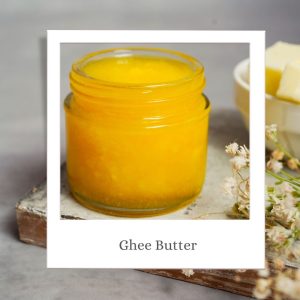
Coconut oil or coconut butter can be a good replacement for Ghee butter .
Briefly …
Ghee is not 100% dairy-free, but it is lactose- and casein-free enough for most people with dairy intolerances.
Here’s the distinction:
-
Ghee is made from butter, which is dairy.
-
During the clarification process, milk solids (lactose and casein) are removed.
-
The final product is almost entirely pure butterfat.
So is it dairy-free?
-
Not technically — it comes from a dairy source.
-
Functionally, for many people with lactose intolerance or even mild dairy sensitivities, ghee is well tolerated.
-
But for those with a severe dairy allergy (especially to casein), ghee is not considered safe.